
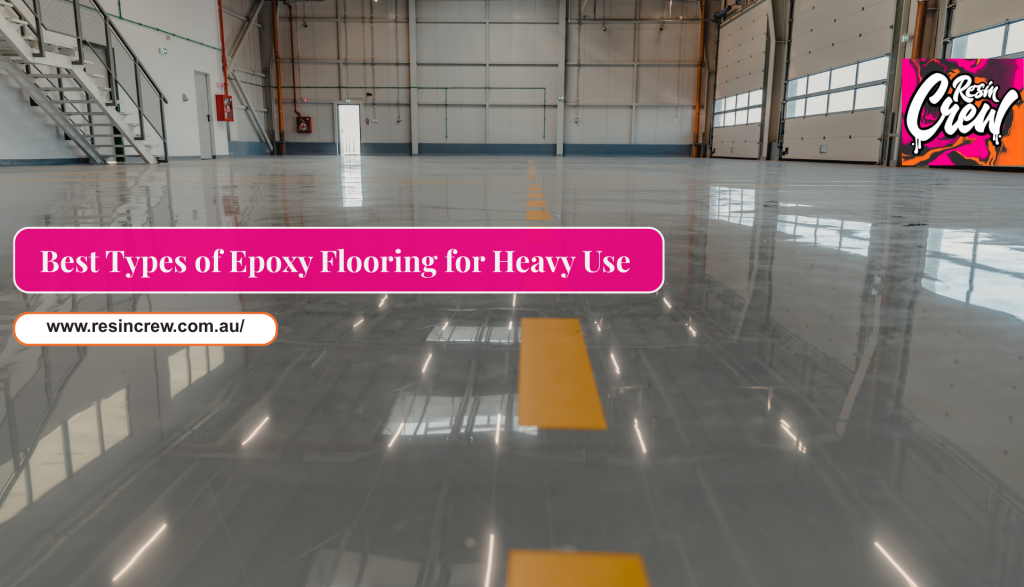
Best Types of Epoxy Flooring for Heavy Use
There are a number of very good reasons why epoxy or any other resin flooring system would be the best solution for your commercial, industrial, or residential needs. Whether you are giving your busy warehouse a makeover or updating the look of your garage, understanding epoxy flooring cost, and getting the right kind of epoxy is a critical to ensuring you get the best long-term value.
From performance and longevity to how long it’s going to take you to install and how much upkeep it’s going to require, the epoxy you choose really can make a big impact. In this guide, we’ll go over the most durable epoxy kinds, compare them to other popular flooring alternatives and help you understand what you can expect to pay when budgeting for your own project.
What Is Epoxy Flooring and Why Is It Great for Heavy Duty Areas
Epoxy flooring is a floor that is made by combining resin and a hardening agent. When it is used on concrete it creates a thick long lasting surface that adheres well to the floor. The outcome is a tough finish that is immune to impact, wear, chemicals and moisture.
Here’s why it is ideal for areas that take a beating every day:
- Handles foot traffic and vehicle movement without damage
- Resistant to oil spills, heat and strong chemicals
- Easy to clean with very little maintenance required
- Gives the space a clean and professional look
Whether it’s an industrial warehouse or your home garage, epoxy flooring is built tough to handle heavy use and rough conditions.
How Does Epoxy Flooring Compare to Other Common Flooring Types
People might compare epoxy to something such as polished concrete, tiles, vinyl or rubber for the best floor for high traffic.
The appeal of epoxy flooring is that it is incredibly durable and requires little maintenance. It’s great in garages, factories, commercial workshops and similar places. It withstands heavy use, chemical spills, and foot traffic without the appearance of wear and tear.
Polished concrete has a modern appearance and is quite durable, but typically comes with a higher price tag and requires regular maintenance to maintain a shiny appearance.
Tiles work well in kitchens and bathrooms, where water is a threat, but they can crack under heavy loads and are more difficult to maintain.
Vinyl flooring is inexpensive and fairly easy to install but is best-suited to those who can do the lighter work, not a heavy-duty shop or lots of traffic.
Rubber floors are cushiony to walk on and great for gyms or day-cares, but not unsuitable for industrial spaces, and also pricier.
Epoxy Flooring Cost in Comparing the price of epoxy to other floorings, the longevity of epoxy outweighs the initial cost since epoxy flooring is extremely durable.
Key Features of Epoxy Flooring for Industrial and Workshop Areas
Floors in commercial spaces need to do more than just look good. They have to perform under pressure. Here are some of the features that make epoxy flooring a standout choice:
- Strong enough to support machinery and vehicle traffic
- Withstands oil, fuel, acids and harsh chemicals
- Can include non slip textures for improved safety
- Seamless finish so there is no room for dirt or moisture to collect
- Can handle rapid temperature changes without cracking
Things to Think About Before Installing Epoxy Flooring in Heavy Use Areas
Installing epoxy flooring is a smart investment, but there are a few things to think about before starting your project:
1. How You Use the Space
Does your floor face daily movement from forklifts, tools, or harsh cleaning agents? Garages, factories, and commercial kitchens need flooring systems built to take that kind of wear. Choosing the wrong type could lead to early damage or failure.
2. The Current Condition of the Floor
Epoxy requires a firm surface to adhere to. In case your concrete is cracked, has a moisture problem, or is uneven, then this must be repaired first. Failure to do this may result in peeling or unsatisfactory outcome in the long run.
3. Budget and Epoxy Flooring Cost
Smaller areas like home garages are usually more affordable to cover with epoxy, but large industrial floors may require extra layers, surface preparation or moisture control. These add to the total cost, but when you look at the lifespan and low upkeep, it still delivers great value.
4. Design and Style Preferences
When you are interested in a floor that is going to perform as good as it looks, you may as well consider a floor such as a flake epoxy floor. This adds texture and helps conceal imperfections and minimizes the possibility of slipping. And, you have the option of colours and finishes to fit your space.
5. How Long It Takes to Cure
There are epoxy coating that can dry within a short period and some that can take several days. As a business person, you should consider this down time so that you do not lose working days. Being aware of the total curing time can prevent unexpected things.
Top Epoxy Flooring Options for Heavy Duty Use
Different spaces need different solutions. Here are some of the strongest epoxy flooring types available today:
It is a very strong kind of epoxy. It would be ideal in such premises as factories, car repair shops and warehouses.
- Extremely strong and resistant to chemicals and heat
- Lasts for years with very little upkeep
- Should be installed by professionals for best results
2. Epoxy Mortar Flooring
Made from resin and sand, this flooring is great for repairing worn concrete and is ideal for spaces with lots of heavy equipment.
- High resistance to impact
- Perfect for industrial settings
- Long lasting and dependable
3. Self Levelling Epoxy
This type spreads out evenly and creates a smooth finish, making it popular in garages, hospitals and showrooms.
- Easy to clean
- Works on both new and old concrete
- Offers good resistance to chemicals
This decorative type includes coloured flakes, which give the floor texture and style while also improving grip.
- Great for homes, garages and commercial kitchens
- Non slip and easy to clean
- Strong enough for medium traffic
5. Anti Static Epoxy
This specialised flooring is used in labs, clean rooms and places that deal with electronics. It stops static from building up and damaging equipment.
- Best suited for tech spaces and manufacturing
- Offers protection for delicate tools and machines
- Requires expert installation
Is Epoxy Paint Strong Enough for Warehouses
It is good to understand that epoxy paint is not identical to an industrial grade epoxy coating. Epoxy paint has just a small amount of epoxy and is mostly made for looks.
While it might work in light use areas, it is not made to handle warehouse traffic or heavy machinery. Over time, epoxy paint can peel or wear out quickly when put under pressure.
For proper strength and performance, go with a solid epoxy coating or mortar based system. Yes, it may cost more upfront, but the durability and safety are worth it.
Final Thoughts
Epoxy flooring is an excellent choice for areas that endure a lot of abuse. With flake epoxy finishes to heavy duty industrial systems there is something for almost every scenario.
Between these two options, if you are not sure which one is right for you or would like more information on epoxy flooring cost, it is best to consult a specialist at Resin Crew. Good advice early can save time and money in the long run.
